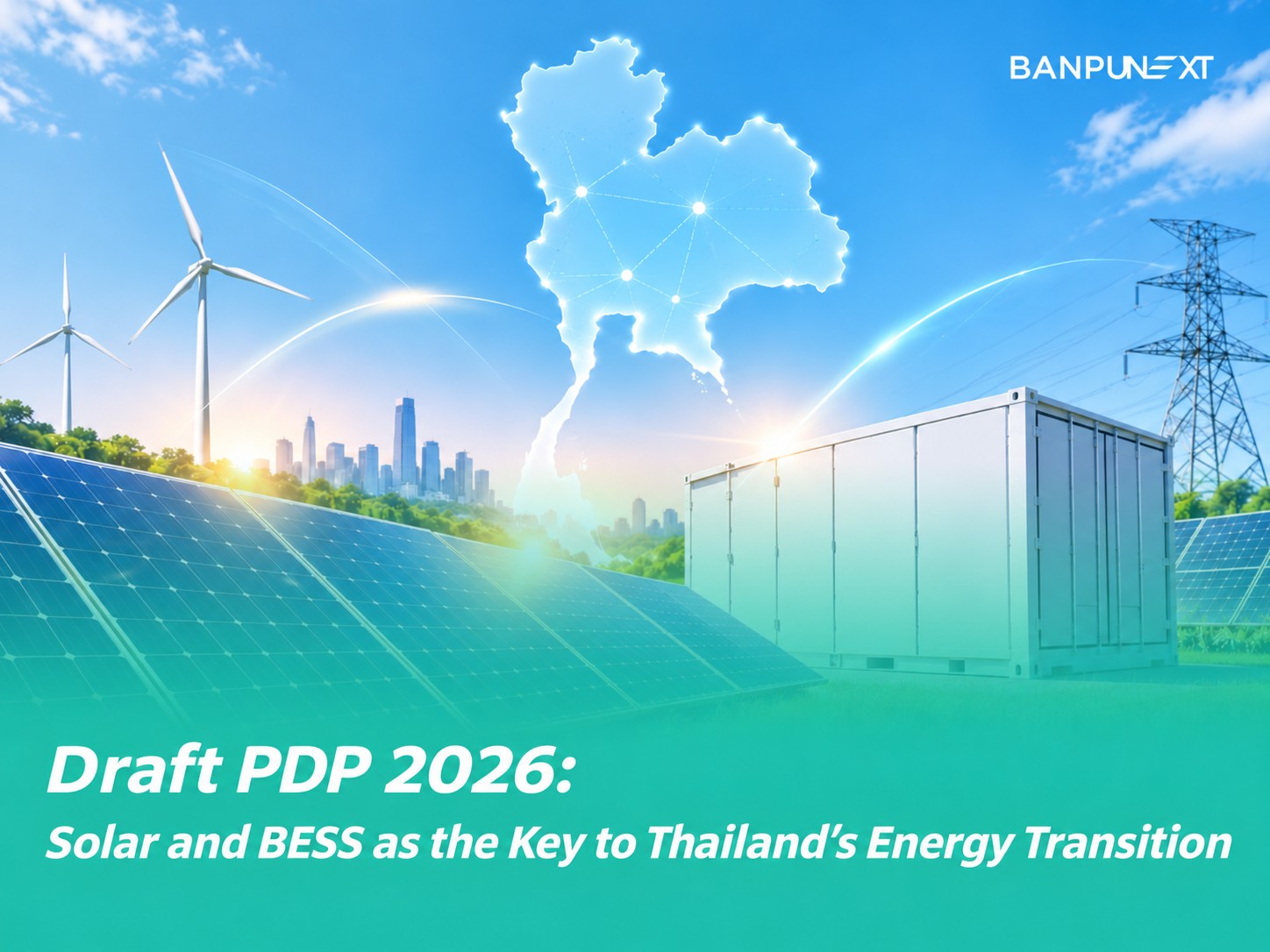
Thailand’s Draft PDP 2026 is reshaping the country’s power sector in line with its Net Zero 2050 target, placing greater emphasis on clean energy such as solar power and Battery Energy Storage Systems (BESS) to support growing renewable capacity and strengthen power system stability.
At the same time, carbon measures such as CBAM and Carbon Tax, together with rising investment in data centers, AI, and industrial expansion, are driving demand for reliable clean energy. For businesses and industries, combining Solar Rooftop with BESS can help reduce energy costs, strengthen competitiveness, and support Thailand’s greenhouse gas emissions reduction goals.
Banpu NEXT provides industrial and large-scale solar solutions integrated with Battery Energy Storage Systems (BESS) for businesses. By storing clean solar energy for use when needed, BESS helps reduce reliance on the grid during Peak periods and enables more efficient, sustainable energy cost management.
Thailand’s Electricity Demand Outlook Under the Draft PDP 2026
The Draft PDP 2026 is a major roadmap for reshaping Thailand’s power sector in line with the Nationally Determined Contribution: NDC 3.0 and its Net Zero 2050 target. The plan is being developed around five key challenges:
- Carbon Measures and Supply Chain Requirements
Growing demand for clean energy is being driven by measures such as CBAM and Carbon Tax, as well as stricter environmental and sustainability requirements from both domestic and international business partners.
- Escalating Global Climate Impacts
Intensifying climate risks are accelerating the shift toward clean energy across all sectors.
- Energy Import and Price Volatility Risks
Geopolitical tensions can drive volatility in oil, natural gas, and other imported fuel prices, while also disrupting raw material supplies for Thai industries. This makes energy diversification and reduced reliance on imported fuels increasingly important for Thailand.
- Growth of the Digital Economy
Rising investment in AI and large-scale data centers is expected to drive electricity demand to as much as 8,800 MW. - Rise of Prosumers and EV Adoption
As electricity users increasingly become prosumers, alongside continued industrial growth and rising adoption of passenger EVs, commercial EVs, and EV trucks, Thailand will need a more resilient and reliable power system with greater reserve capacity.
Thailand Power Market Outlook
Thailand’s energy market is undergoing a major transformation. In 2025, Thailand had approximately 13 GW of installed renewable capacity. Under the Draft PDP 2026, the country aims to expand solar and wind capacity to 27 GW, alongside 14.5 GW of Battery Energy Storage Systems (BESS) by 2037. Building on the existing renewable energy base, this expansion is designed to support long-term business energy demand.
Because renewable energy such as solar is intermittent, BESS plays a key role in enhancing energy flexibility. It stores excess solar power for use when sunlight is limited or during Peak demand, helping smooth out fluctuations in solar power output, reduce the risk of voltage dips and power outages, and support uninterrupted operations for factories and businesses.
Combining Solar Rooftop with BESS therefore provides businesses with a more flexible and balanced approach to energy management.
Energy market outlook under the Draft PDP 2026 signals Thailand’s accelerating shift toward a low-carbon energy future. Businesses that act early and integrate smart energy solutions into their operations can gain stronger cost control, improve long-term sustainability, manage energy risks more effectively, and accelerate progress toward Net Zero.
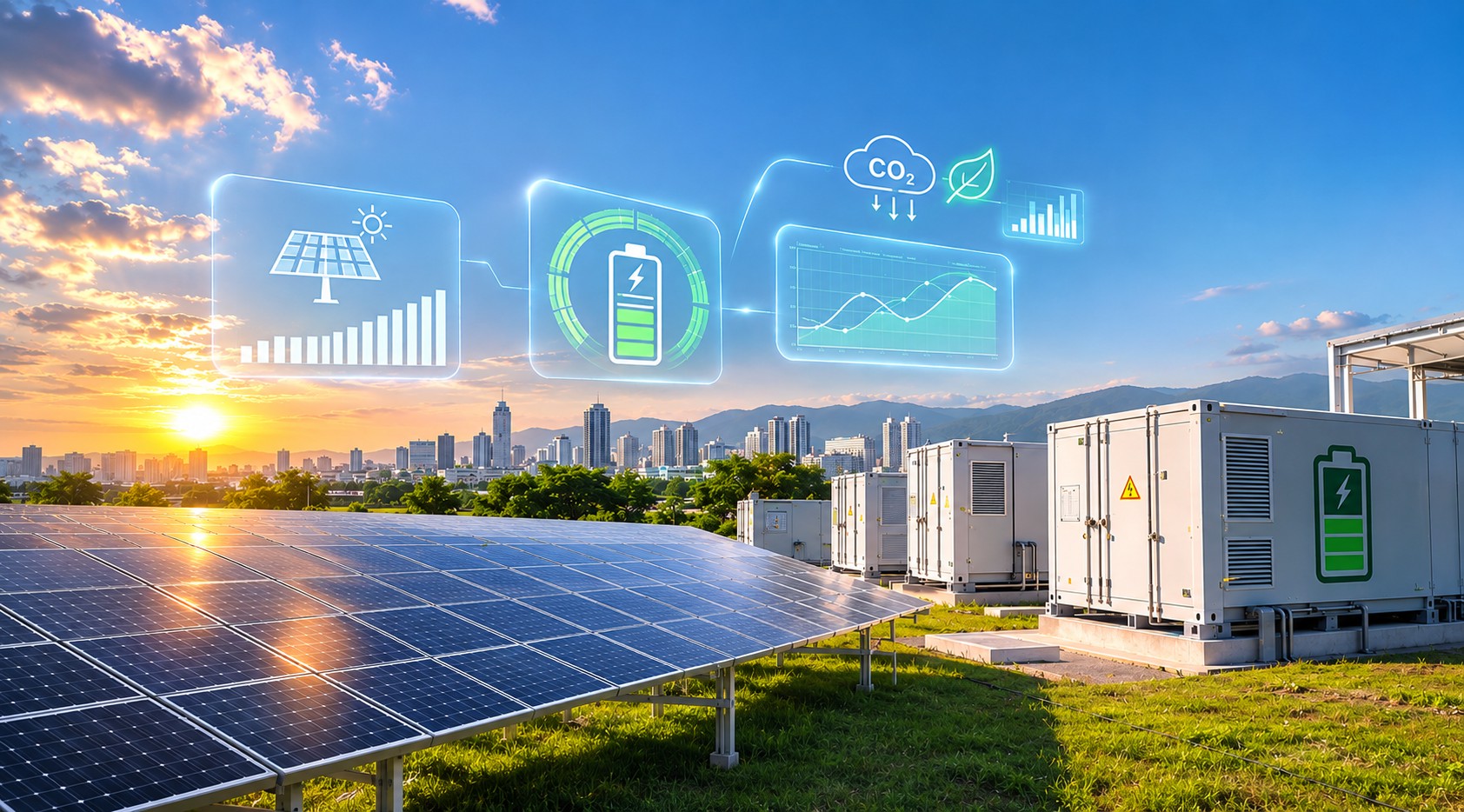
Thailand’s New Energy Landscape: Why Solar + BESS Takes Center Stage
Thailand’s push to expand renewable energy highlights the growing role of Solar + BESS which combines clean energy technologies to store excess solar power and supply it when solar generation is low or insufficient. BESS helps overcome solar intermittency and provides businesses with a more stable, reliable clean energy supply around the clock.
When properly sized to match each facility’s energy profile, Solar + BESS can also reduce grid dependence during Peak periods, enhance energy flexibility, and lower electricity costs more effectively.
In summary, integrating Solar with Battery Energy Storage Systems (BESS) not only aligns with Thailand’s evolving energy direction, but also helps businesses accelerate their sustainability transition, strengthen energy security, and build long-term competitive advantage.
Factory Solar Payback: How Long Does It Take and Which Provider Should You Choose?
As industrial businesses face volatile energy costs and growing pressure to achieve Net Zero, investing in clean energy is no longer just about reducing carbon emissions—it is also about improving business returns.
This raises two key questions: How long does factory solar take to pay back, and which provider can deliver long-term value?
Solar systems combined with Battery Energy Storage Systems (BESS) typically have a longer payback period than solar alone—around 5–10 years on average. The actual timeframe depends on factors such as system size, electricity consumption patterns, peak demand, Demand Charges, available BOI tax incentives, and the investment model.
This makes it important to choose an expert, end-to-end provider that can support the entire project—from analysis and system design to installation and after-sales service.
Banpu NEXT provides tailor-made Solar + BESS solutions designed around each business’s actual energy needs. The process starts with analyzing electricity consumption patterns to determine the right system size, followed by a one-stop service covering consultation, design, installation, and after-sales support.
Its digital platform also provides real-time energy monitoring and after-sales service, helping businesses track consumption and savings continuously while ensuring the system delivers value in line with actual operational needs.
Investing in Solar + BESS installation with an expert provider helps industries manage electricity costs more effectively, unlock new business opportunities, strengthen competitiveness, and accelerate the transition toward long-term sustainability.
Is Peak Shaving Worth It for Factories, Which Provider is Right for You? Energy Management for Peak Demand Reduction
Electricity is a major operating cost for industries, especially during Peak periods, when higher electricity rates can coincide with Demand Charges based on maximum power demand.
For facilities with high and predictable Peak Demand, Peak Shaving with BESS can be a cost-effective solution by reducing maximum demand and directly lowering electricity costs.
The system works by storing lower-cost electricity during Off-Peak periods or excess solar energy in the battery, then discharging it during Peak demand to reduce grid usage and lower Demand Charges.
The overall value depends on the facility’s load profile, peak timing, battery size, and system cost. A detailed analysis of actual electricity consumption should therefore be completed before system design.
Choosing an expert energy technology provider such as Banpu NEXT can help businesses maximize the value of Peak Shaving. Its integrated Solar + BESS solutions combine high-performance, safety-focused systems with a digital platform for real-time energy management.
By integrating BESS with solar, factories can lower long-term electricity costs, improve returns on clean energy investment, reduce carbon emissions, and strengthen their appeal to sustainability-focused business partners.
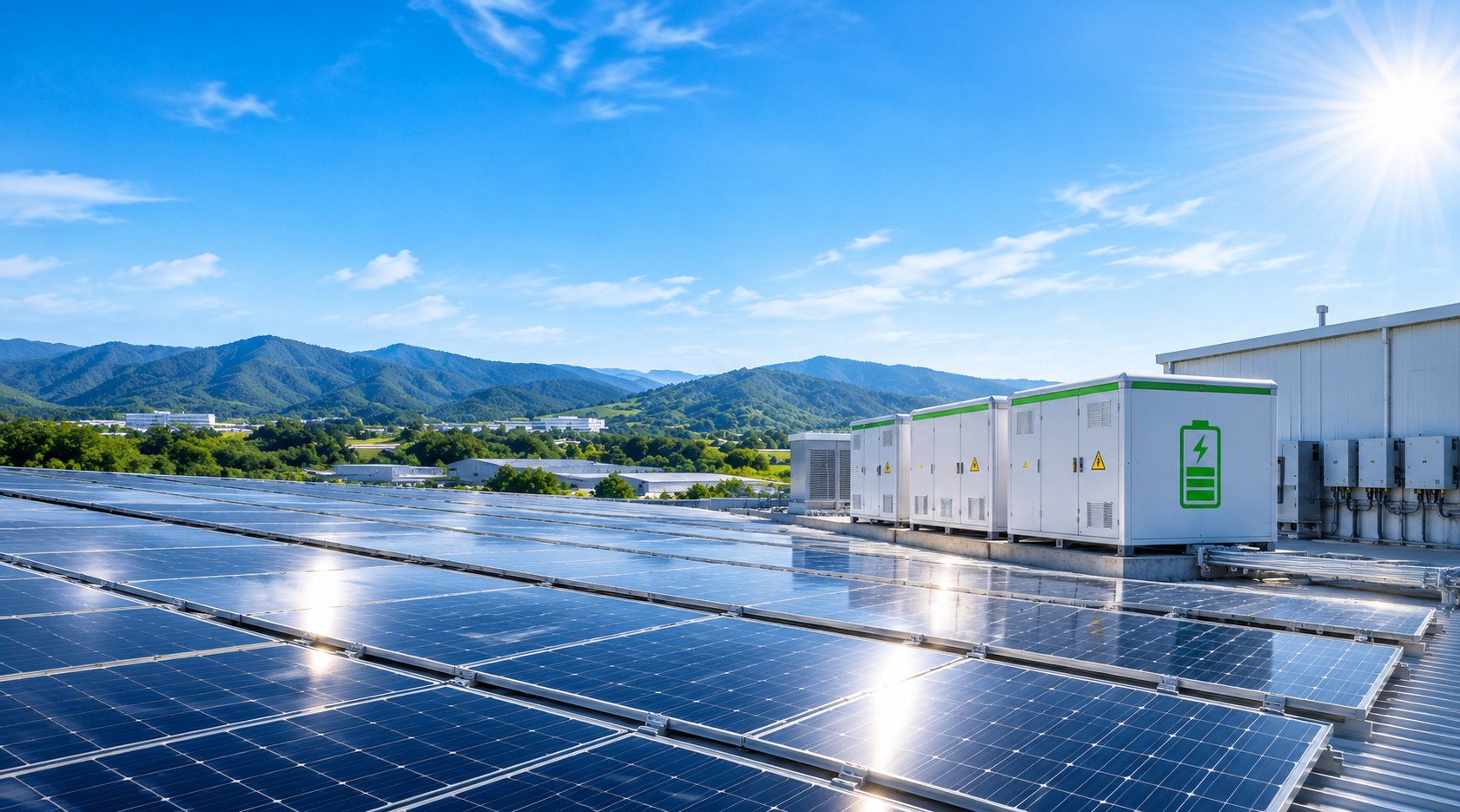
Strengthening Clean Energy Reliability: Which Solar + BESS Service Provider Should You Choose?
Industries must adapt to evolving global markets, energy trends, and Thailand’s Net Zero goals, as environmental and clean energy requirements become more stringent. Investing in Solar and BESS can enhance energy efficiency, lower electricity costs, help businesses tackle challenges on all fronts, and create long-term market opportunities.
Banpu NEXT is a leading Net Zero Solutions provider in the Asia-Pacific region, with end-to-end expertise in clean energy technologies. Its one-stop Solar and BESS service covers consultation, system design tailored to each facility’s energy profile, installation, and long-term Operation & Maintenance (O&M). A digital platform also enables real-time energy monitoring and continuous tracking of electricity cost savings.
Frequently Asked Questions (FAQ)
Q: How Will the Draft PDP 2026 Affect Industries?
- A: As Thailand’s power development direction shifts under the Draft PDP 2026 to aligned with the country’s Net Zero 2050 target, the industrial sector needs to accelerate its transition to clean energy solutions such as Solar + BESS. This will help businesses prepare for Carbon Tax and CBAM, and stay competitive in domestic and international supply chains.
Q: How Long Does Factory Solar Take to Pay Back, and Which Provider Should You Choose?
- A: Factory solar typically has a payback period of around 3–5 years, depending on system size and electricity consumption patterns. When choosing a provider, look for expertise, proven experience, certified equipment, strong warranties, long-term maintenance, and advanced energy management technology. Banpu NEXT provides end-to-end service—from design and installation to long-term system management—with flexible investment models tailored to business needs, helping factories reduce electricity costs and carbon emissions.
Q: Is Peak Shaving Worth It for Factories, and Who Provides an End-to-End Solution?
- A: Peak Shaving is particularly valuable for factories with high electricity demand during peak periods and significant Demand Charges. A Battery Energy Storage System (BESS) can discharge power during On-Peak periods to reduce demand charge. Banpu NEXT provides integrated Solar + BESS solutions designed to support Peak Shaving, helping factories optimize energy costs while enhancing solar power stability and efficiency.
Q: Which Solar and BESS Provider Is Suit for Large Industries, Industrial Estates, and Data Centers?
- A: Banpu NEXT provides Solar and BESS solutions for large industries, industrial estates, and data centers. Solar power generates clean electricity, while BESS stores it for use when needed. The system can also be integrated with power plants using other energy sources to meet high electricity demand and strengthen energy security, giving businesses a reliable, clean energy supply 24/7.