Currently, the adoption of EV trucks and electric commercial vehicles[MP1] in Thailand continues to grow, supported by government initiatives. This presents a significant opportunity for Thai businesses to create their competitive advantage by reducing transportation energy costs and improving the long-term efficiency of their logistics operations.
However, a key challenge lies in charging infrastructure. Public charging stations for EV trucks and other heavy-duty EVs remain limited, and electric trucks cannot rely on conventional passenger EV charging stations because they require larger parking and driving areas, higher power capacity, and specific charging systems. At the same time, installing a private electric truck charging station can require an investment of several million baht per location, excluding the cost of upgrading the electrical infrastructure within the site (TDRI) . For this reason, businesses planning to install charging stations should plan systematically and choose an investment model that best fits their operational needs. Proper planning can help maximize return on investment while creating opportunities for sustainable, long-term business growth.
Banpu NEXT addresses this challenge with a comprehensive on-site EV truck charging station installation service at business premises, under a model in which Banpu NEXT handles the investment. The service covers free system analysis and design tailored to fleet size and operating schedules, to fleet management, after-sales support, and ongoing assistance from experts throughout the service.
This enables businesses to adopt electric trucks efficiently, while avoiding the financial burden of investing in charging station on their own.
Understanding On-Site Charging: The Key to an Efficient Electric Truck Fleet
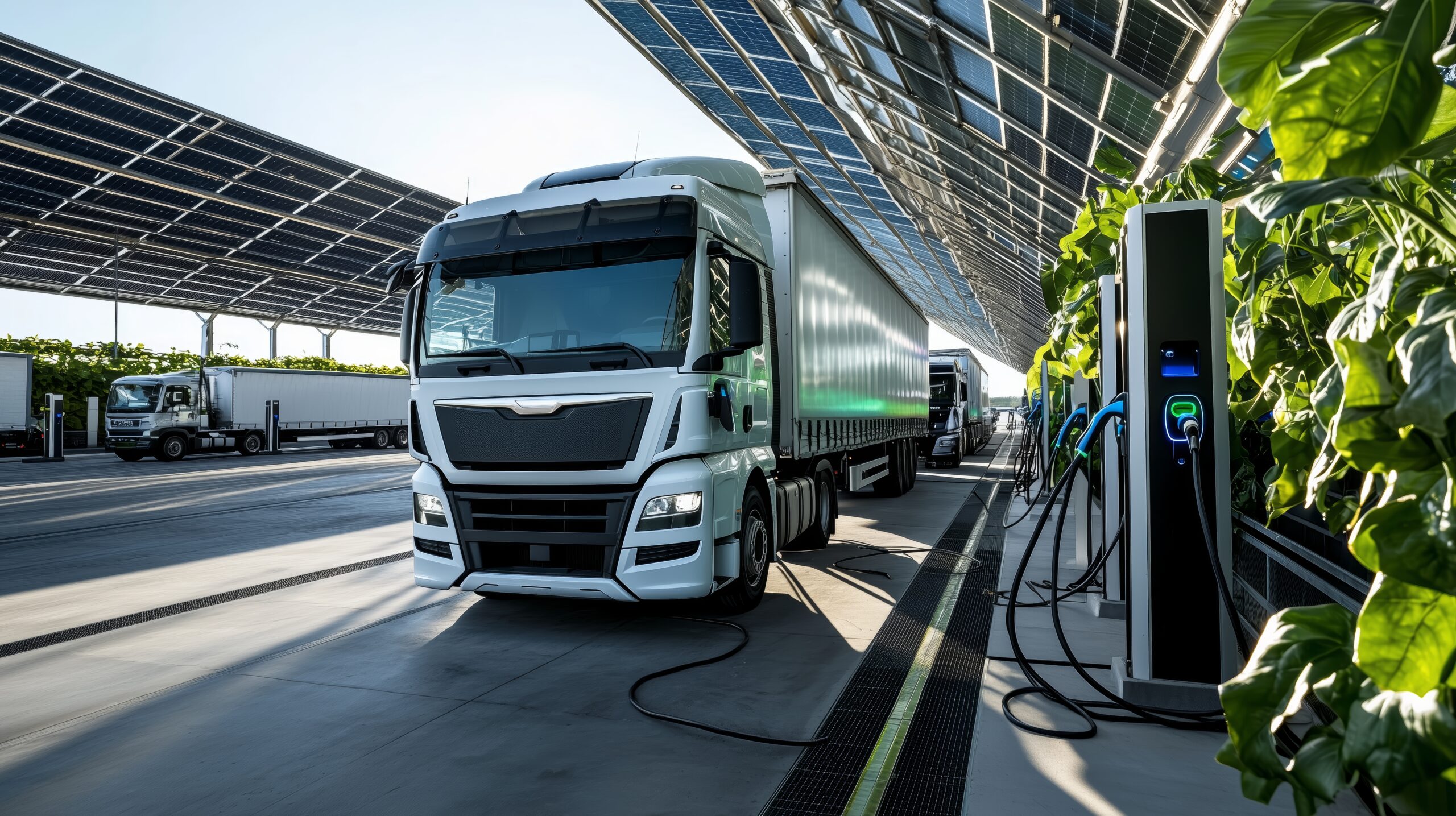
On-site Charging refers to installing charging stations for electric trucks or other heavy-duty electric commercial vehicles directly at a business premises, such as a warehouse, distribution center, industrial facility, logistics hub, or even a large gas station capable of accommodating trucks. Installing EV charging stations at business premises is a critical part of the infrastructure needed to support a full transition to an electric transport fleet.
Installing charging stations at a company’s own premises allows businesses to plan vehicle schedules, control charging times, manage truck queues, and monitor energy costs more precisely. This reduces reliance on public charging stations, which may involve additional travel time for charging and the risk of fully occupied charging bays that can lead to long waiting times. These limitations can disrupt delivery schedules and affect overall transport efficiency.
For this reason, On-site Charging is a key component in enabling electric truck fleets to operate continuously and efficiently. It also helps modern logistics businesses improve operational performance while supporting long-term sustainable growth.
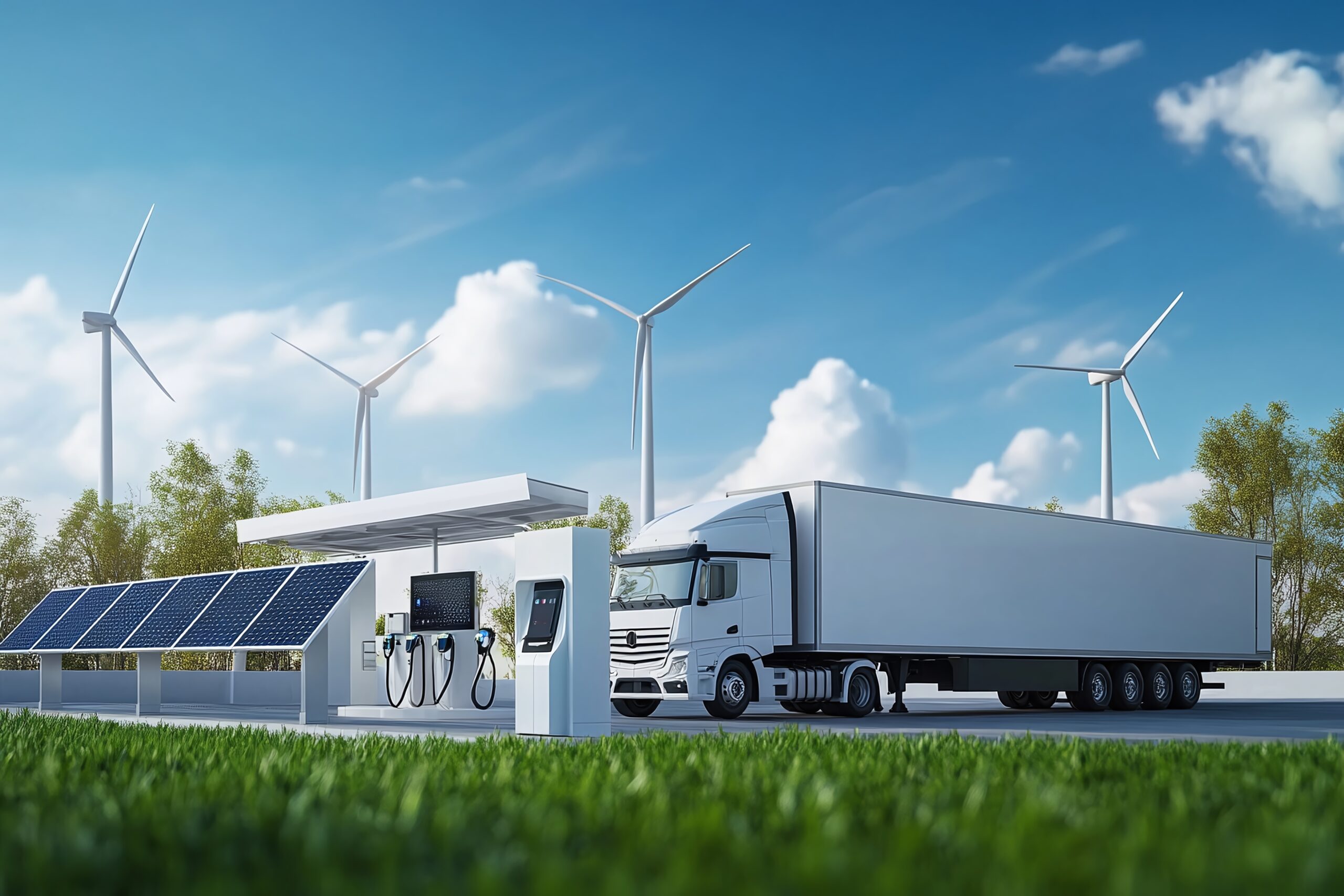
4 Key Benefits of Installing Your Own Electric Truck Charging Station
Installing electric truck charging stations at business premises is a strategic approach to fleet management that can deliver multiple values, including:
-
Reduce Energy Costs Sustainably
Electricity costs per kilometer are generally lower than diesel fuel costs. Businesses can also optimize electricity expenses by scheduling vehicle charging during off-peak periods, when Time-of-Use (TOU) electricity rates are lower. This helps reduce transportation costs and improve long-term operating efficiency.
-
Gain 100% Control Over Scheduling and Transportation Efficienc
No more wasting time queuing at public charging stations. Businesses can plan delivery schedules more precisely, manage overnight charging, or queue trucks to charge while being loaded. This keeps transportation operations running smoothly, efficiently, and without disruption.
-
Reduce Maintenance Costs and Extend Battery Life
Proper charging with the appropriate power output and charging speed helps protect electric truck batteries and extend their service life, while also reducing maintenance costs.
-
Create New Business and Revenue Opportunities, such as:
-
- Enhance your sustainability and Net Zero positioning by reducing carbon emissions.
- Attract business partners that prioritize green supply chains and strengthen your competitive advantage when working with international partners.
- Generate additional revenue by opening the charging facility to public charging station for heavy-duty electric vehicles and EV trucks.
On-site charging station is a crucial piece of the jigsaw for businesses. It not only helps reduce long-term operating costs, but also strengthens competitiveness and supports the sustainable growth of logistics operations on a global scale.
What Types of Businesses Are Best Suited for On-Site Electric Truck Charging Stations?
Installing an On-site Charging station at a business facility is well suited to organizations that have transitioned to using electric trucks or other heavy-duty electric commercial vehicles for operations and goods transportation, including:
- Logistics & Warehouse Businesses with fixed routes and truck parking or rest areas.
- FMCG and Large-Scale Retail Businesses with distribution centers that need to deliver goods from central hubs to multiple branches 24/7.
- Factories and Industrial Estates are looking to transition toward a Green Factory model and regularly transport raw materials in and out of their facilities.
- Large Gas Stations with sufficient space to accommodate electric trucks and install charging units. These locations can also operate as public charging stations, creating an additional revenue stream for the business.
Electric truck charging stations are particularly suitable for businesses with fleets of electric trucks or electric commercial vehicles operating on clearly defined routes and schedules. When the charging system is properly designed around actual operational requirements, it can help reduce costs and improve transportation efficiency over the long term.
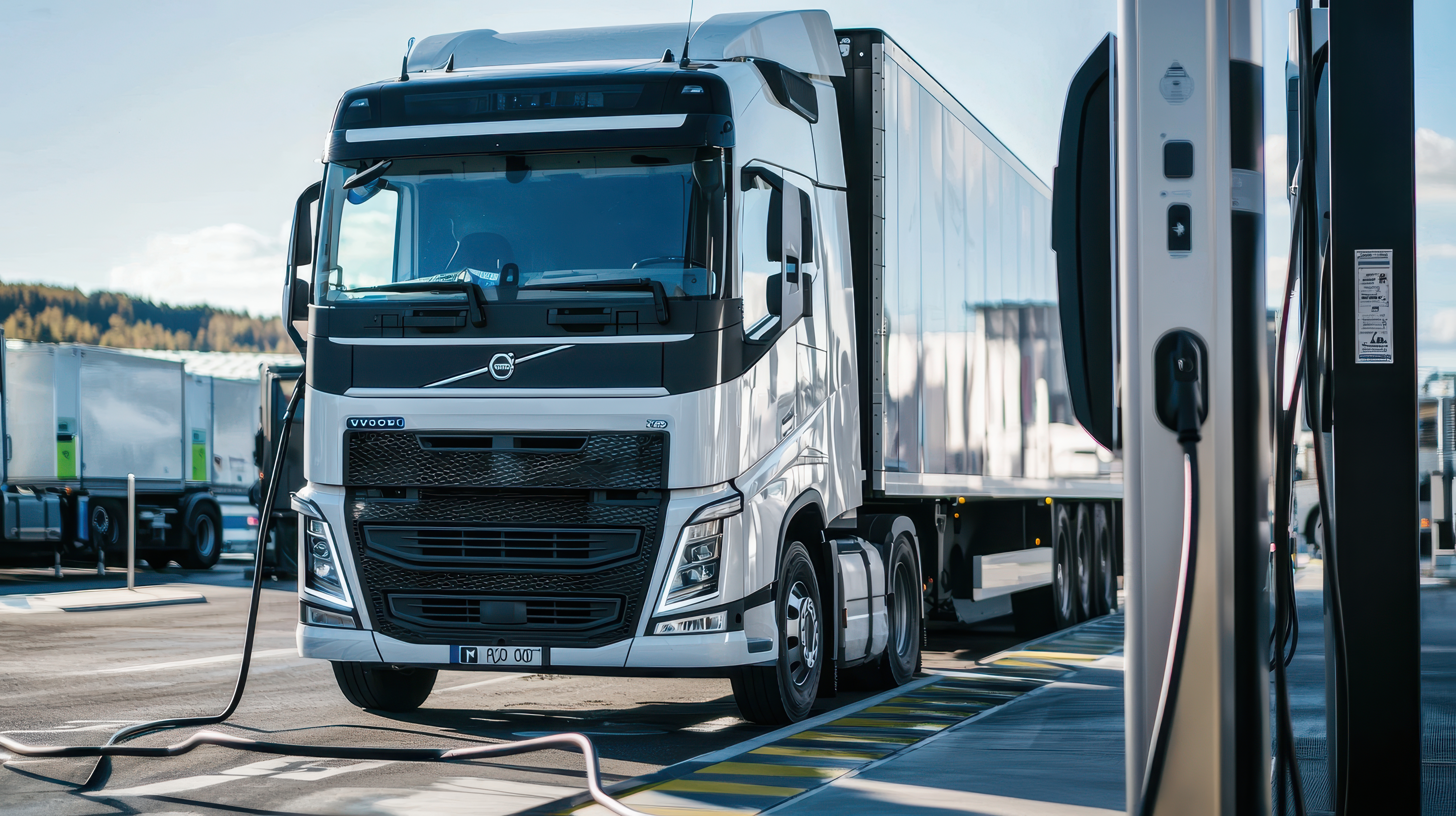
5 Steps to Plan a Cost-Effective Electric Truck Charging Station Installation
Investing in an EV truck charging station installation requires careful and effective planning to ensure that the system can support real-world operations conveniently, safely, and cost-effectively over the long term. Here are five recommended steps:
-
Assess Fleet Usage Patterns (Fleet & Route Analysis)
Review the number of vehicles, battery capacity, daily driving distance, routes, and vehicle dwell time to determine fleet requirements and identify the most suitable charging windows for each operating schedule.
-
Assess the Site and Power Capacity (Site & Power Assessment)
Evaluate the site’s available power capacity, including transformer capacity, and determine whether a dedicated EV charging meter is required to ensure sufficient power for electric truck charging. The assessment should also cover suitable locations for charger installation and dedicated truck charging lanes.
-
Select the Right Charging System
Choose DC Fast Charging technology with high-power charging capacity ranging from 150–360 kW, depending on fleet operating requirements. The right charging system helps minimize charging time and enables electric truck fleets to operate at maximum efficiency.
-
Implement Smart Energy Management
Use energy management software to control power distribution, prevent electrical overload or voltage issues, and balance electricity demand through Load Balancing. The system can also help schedule charging during Off-Peak periods to reduce electricity costs.
-
Choose an Expert Total Solutions Partner
Banpu NEXT is a long-term partner for businesses seeking to manage and reduce energy costs while transitioning to electric commercial vehicle fleets cost-effectively. Its comprehensive service helps reduce the burden of upfront investment, covering the investment support, consultation, system design, and charging station installation to fleet management and after-sales service.
Maximizing the value of an EV truck charging station starts with designing a fleet system around the business’s actual operating requirements, including fleet size, power capacity, driving schedules, and charging periods. Working with a professional end-to-end solutions partner can help reduce costs, improve transportation management, and provide businesses with greater confidence in their transition to electric commercial vehicle fleets.
Drive Your Green Business Forward with Banpu NEXT’s Charging Solutions for EV Trucks
If you are looking to transition your transportation fleet toward sustainability, Banpu NEXT, a comprehensive Net Zero Solutions provider, is ready to support your business as a trusted long-term partner. Its Fleet Charging Solutions provide a One-Stop Service specifically designed for transportation and logistics businesses.
The service covers everything from free consultation, cost-effectiveness analysis, and fleet usage assessment to charging system planning and design by expert engineers. Banpu NEXT also invests in and installs charging stations, complete with fleet management, real-time charging data, and monthly usage reports through its Monitoring Platform, along with professional after-sales support. This helps businesses reduce costs and enhance their operational efficiency.
Banpu NEXT provides comprehensive solutions for a wide range of transportation needs by developing charging solutions that support all types of electric trucks and electric commercial vehicles, divided into two main models:
- Route Charging: Banpu NEXT operates 9 charging stations for electric trucks and other heavy-duty electric vehicles along major logistics routes connecting Thailand’s Central, Northeastern (Isan), and Eastern regions. The stations are located in Nakhon Sawan, Pathum Thani, Samut Sakhon, Samut Prakan, Saraburi, Nakhon Ratchasima, Khon Kaen, Udon Thani, and Chonburi. Each station is equipped with DC Fast Charging technology specifically designed for commercial electric vehicles, with spacious facilities that allow electric trucks to enter and exit conveniently. The service also includes an advance charger reservation and a Fleet Card system that enables usage to be tracked separately by vehicle or driver, helping businesses plan fleet schedules more effectively and keep transportation operations running continuously without disruption.
- On-site Charging with No Upfront Investment Required from the Customer: Banpu NEXT provides high-speed charging station installation directly at business premises, such as warehouses, distribution centers, factories, and other businesses using electric truck fleets. Banpu NEXT makes investment, helping businesses avoid the burden of upfront capital expenditure. This solution is ideal for companies that want the convenience of charging vehicles at their own sites, greater control over energy costs, and more efficient end-to-end transportation management.
Choosing Fleet Charging Solutions from Banpu NEXT helps businesses create business values both commercial and environmental dimensions. The solution can help reduce fuel costs immediately, increase the number of daily delivery trips, and improve overall fleet management efficiency. At the same time, it cuts carbon emissions, advances green logistics, strengthens competitive advantage, and drives organizations toward their Net Zero goals.
Contact us – Banpu NEXT
Frequently Asked Questions (FAQs)
Q1: What type of charging system is required for electric trucks?
A: Electric trucks should primarily use DC Fast Charging, as they typically have very large battery capacities, often exceeding 200 kWh. A high-power DC charging system in the range of 150–360 kW can significantly reduce charging time, allowing the battery to be fully charged within approximately 1–2 hours. This helps minimize vehicle downtime and better aligns charging with drivers’ rest periods.
Banpu NEXT provides on-site EV truck charging station installation at business premises, with the number of chargers designed according to fleet size. Its high-speed DC Fast Charging systems start from 240 kW per charger and scale to each customer’s specific needs.
Q2: How can an on-site charging station be installed if a factory or warehouse’s existing power capacity is insufficient?
A : Before installation, the engineering team will conduct a Site Assessment to evaluate the facility and compare its existing electrical load with the remaining available capacity. If the current power supply is insufficient, several solutions can be considered depending on site conditions, including upgrading the electricity meter capacity, increasing transformer capacity in coordination with the local electricity authority, or installing a dedicated meter and transformer specifically for the charging system.
Q3: If a business wants to install an electric truck charging station at its own premises, what investment and service models are available, and how much does it cost?
A: Banpu NEXT provides a comprehensive On-Site Charging solution at business premises and handles the investment. The service covers everything from analyzing actual fleet usage and designing a charging system tailored to the type and number of vehicles, to installing high power chargers that enable fast charging and align with day-to-day operational requirements. A team of specialists also provides ongoing after-sales support throughout the service period.
Banpu NEXT makes the upfront investment, while the business pays charging fees to the company at a rate agreed upon in the contract. This helps reduce the burden of initial capital expenditure and enables businesses to plan energy use and fleet operations more efficiently.